Best Seller

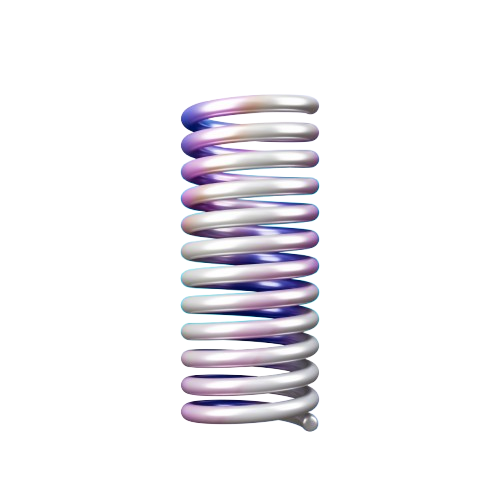
Coil Springs are fundamental suspension components designed to absorb road shocks and maintain vehicle ride height. They support the vehicle’s weight while allowing the suspension system to compress and rebound smoothly over uneven surfaces. By controlling vertical movement, coil springs contribute to ride comfort, stability, and proper tire contact with the road. Key Features: * […]
If the Struts and Shocks are the “muscles” that absorb impact, the Control Arms and Ball Joints are the “skeleton” and “sockets” that hold your wheels in the correct position. Without them, your wheels would have no way to move up and down or turn while staying attached to the car. Stamped Steel: The most […]
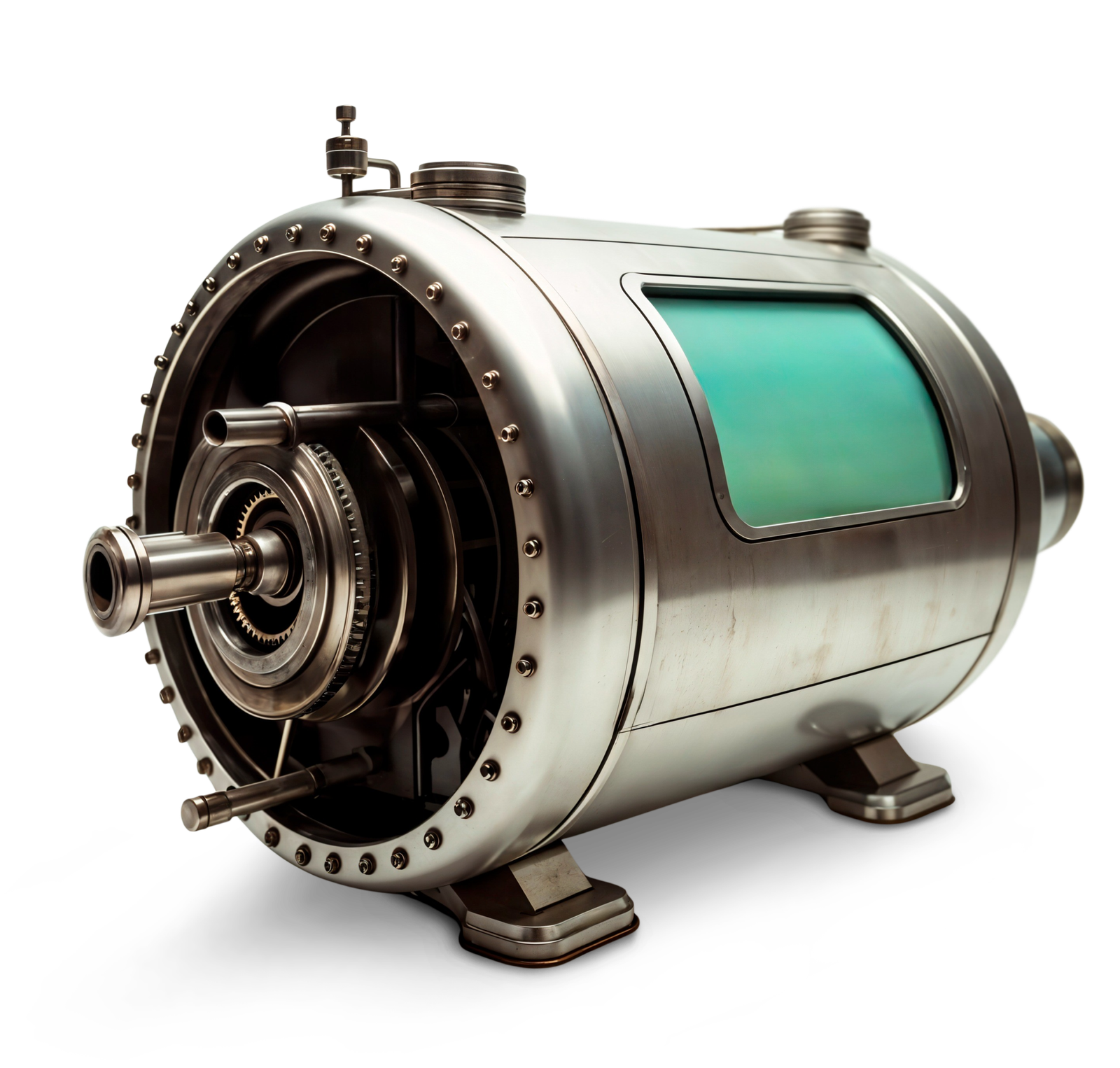
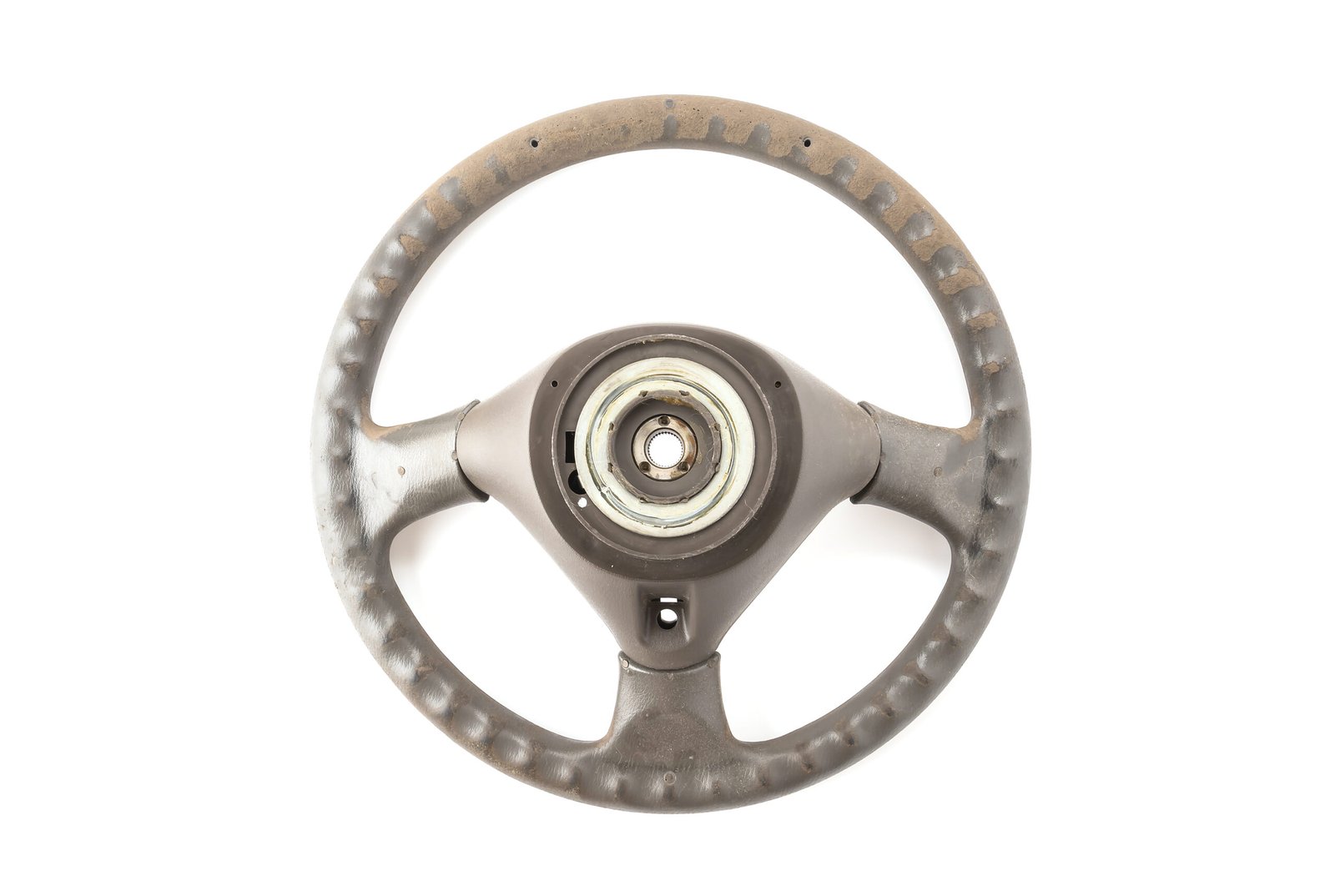
The Power Steering Pump is the component that supplies hydraulic pressure to assist steering movement. It reduces the physical effort required to turn the steering wheel, especially at low speeds or during parking. By generating and circulating pressurized steering fluid, the pump ensures smooth, controlled, and responsive steering performance under varying driving conditions. Key Features: […]
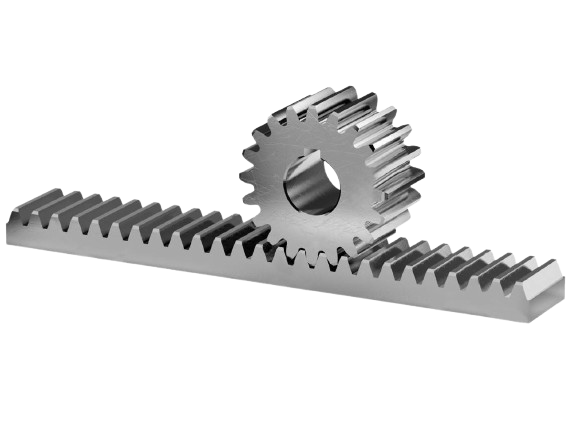
The Rack and Pinion system is the core of modern steering mechanisms. It converts the rotational movement of the steering wheel into linear motion that turns the wheels left or right. When you rotate the steering wheel, the pinion gear spins and moves the rack sideways. This direct mechanical connection ensures precise steering response, improved […]
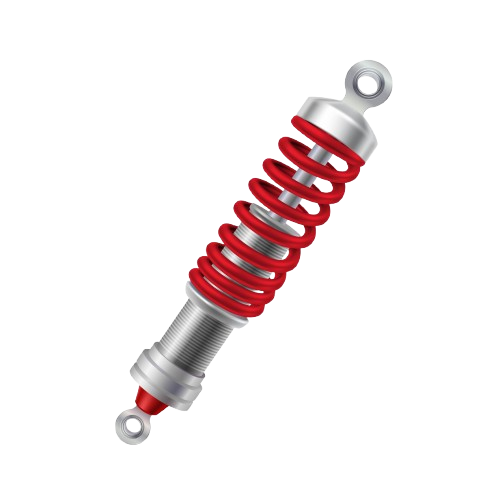
While people often use the terms interchangeably, Shocks and Struts are actually two different ways of solving the same problem: stopping your car from bouncing like a pogo stick. The simplest way to remember the difference is that a Shock
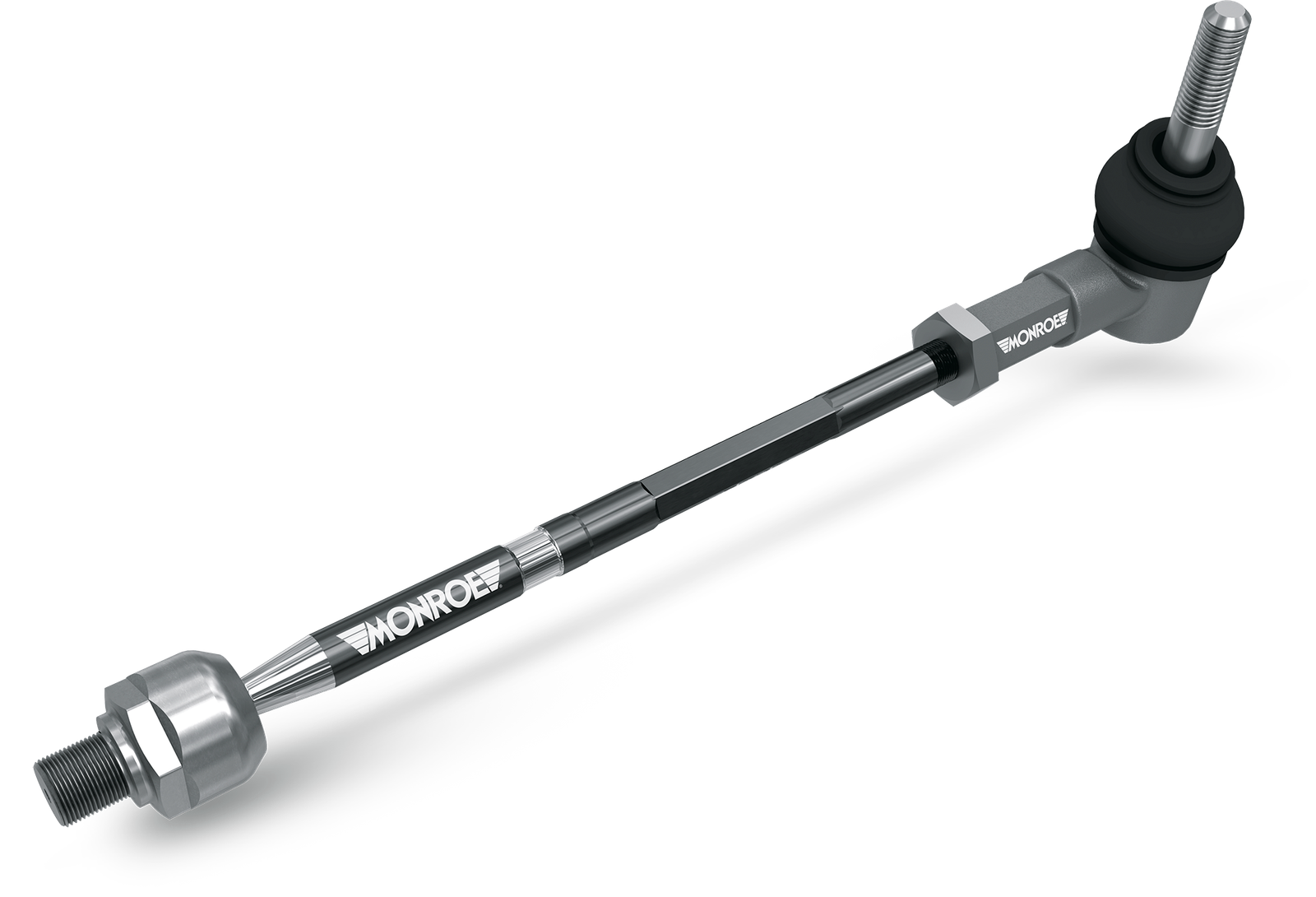
Tie Rod Ends are critical steering components that connect the steering rack to the steering knuckle. They transfer the driver’s steering input directly to the wheels, allowing precise turning while maintaining proper wheel alignment. They also accommodate vertical suspension movement while steering, ensuring stability, tire longevity, and responsive handling. A worn tie rod end can […]