
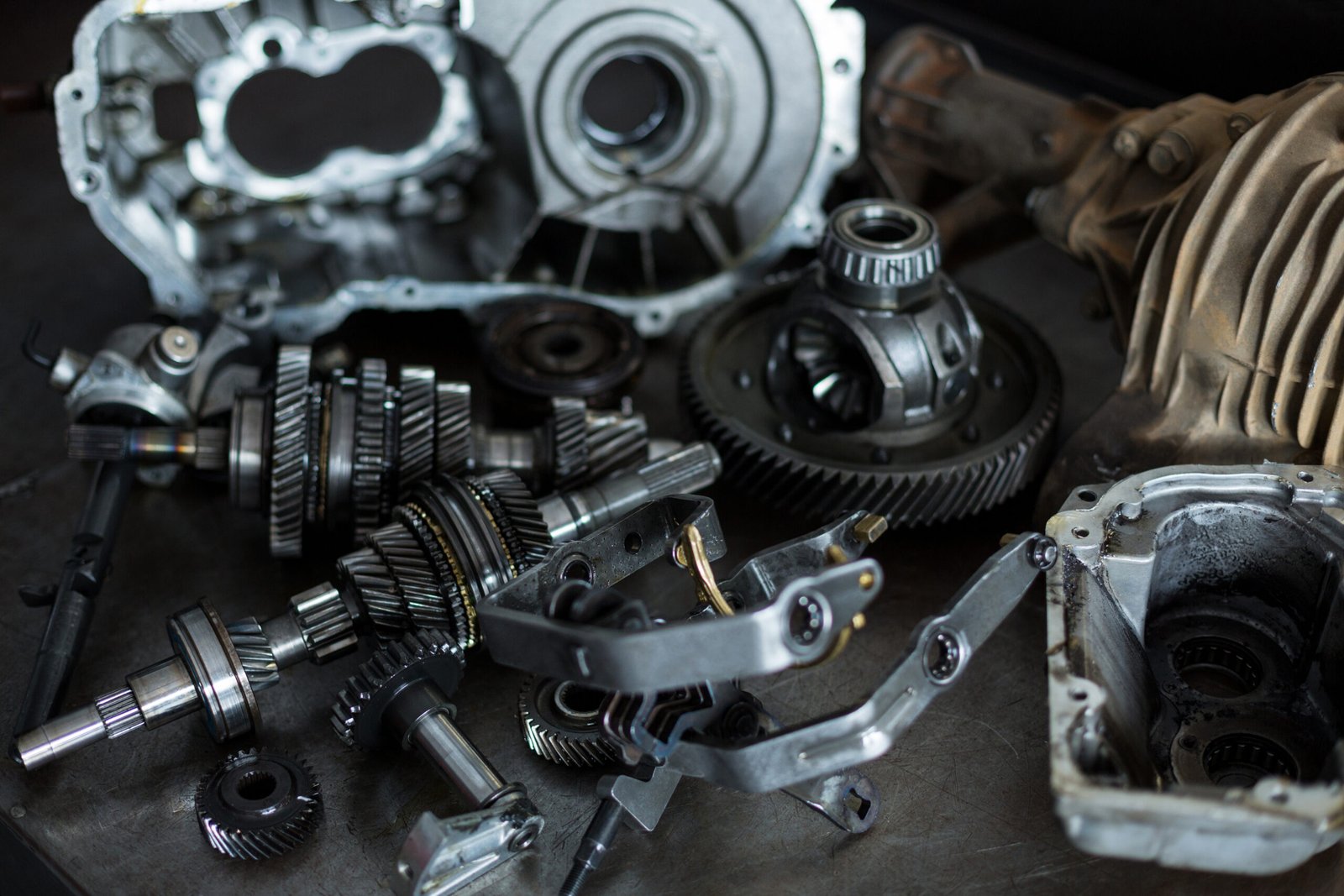
Engine parts & components
Whether you’re a gearhead or just trying to figure out what that knocking sound is under the hood, understanding the anatomy of an internal combustion engine is a great place to start.
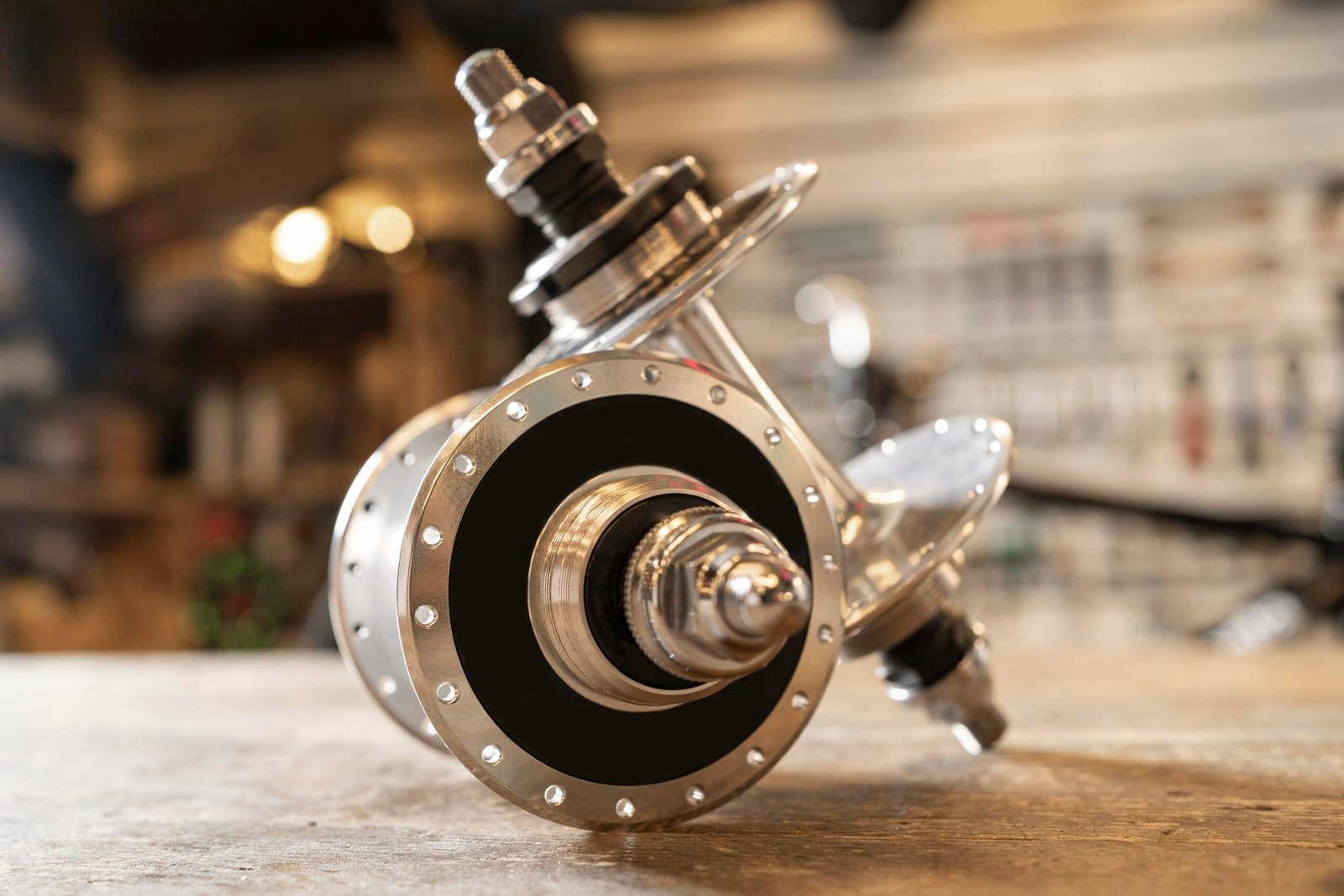
Pistons, piston rings & engine valves
Think of these three components as the "front-line soldiers" of your engine. They are the only parts that deal directly with the heat and pressure of the actual explosion (combustion).

Brake pads, brake discs & brake components
Whether you’re a gearhead or just trying to figure out what that knocking sound is under the hood, understanding the anatomy of an internal combustion engine is a great place to start.
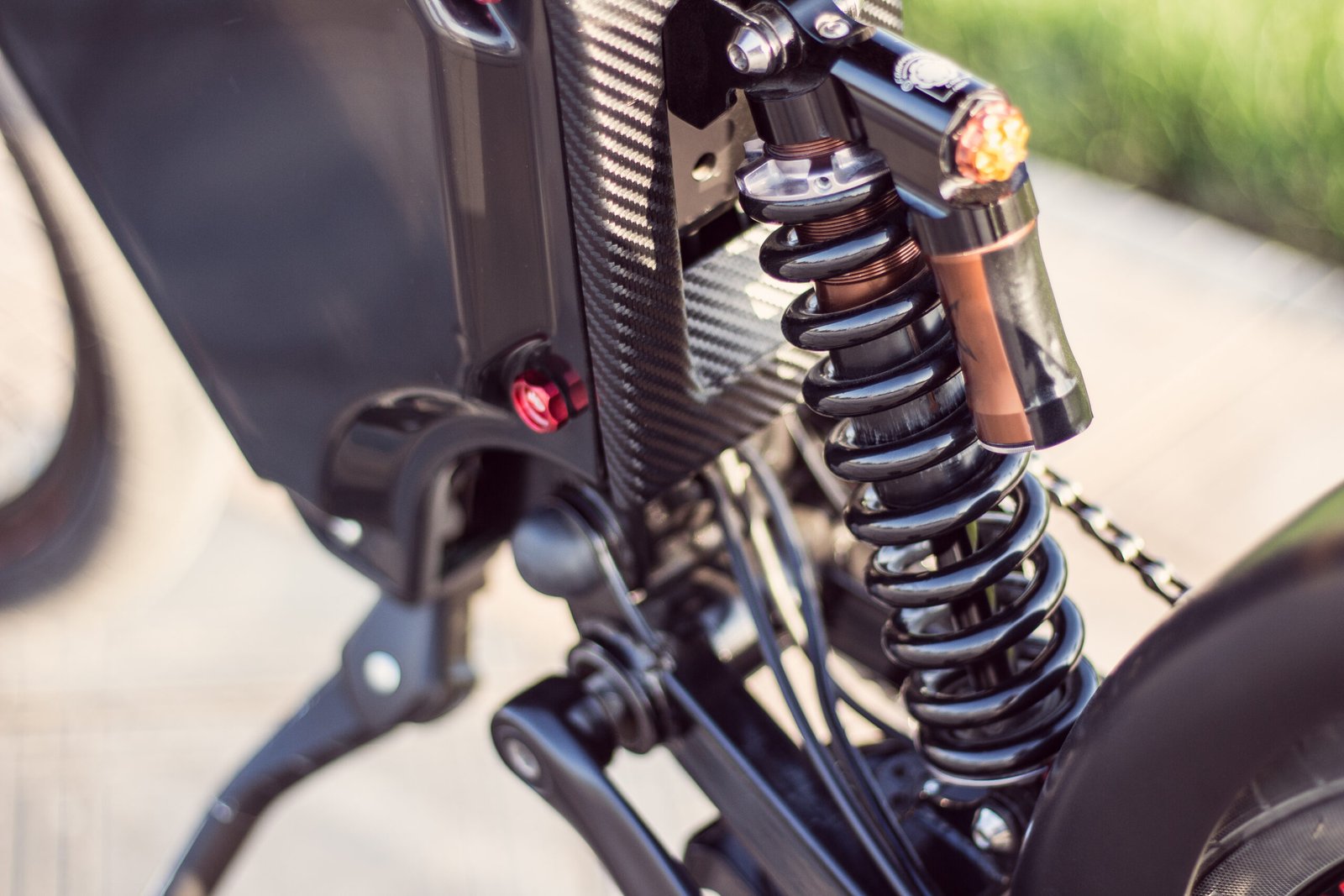
Suspension & steering parts
If the engine is the heart and the brakes are the anchor, the suspension and steering are the "handshake" between your car and the road.
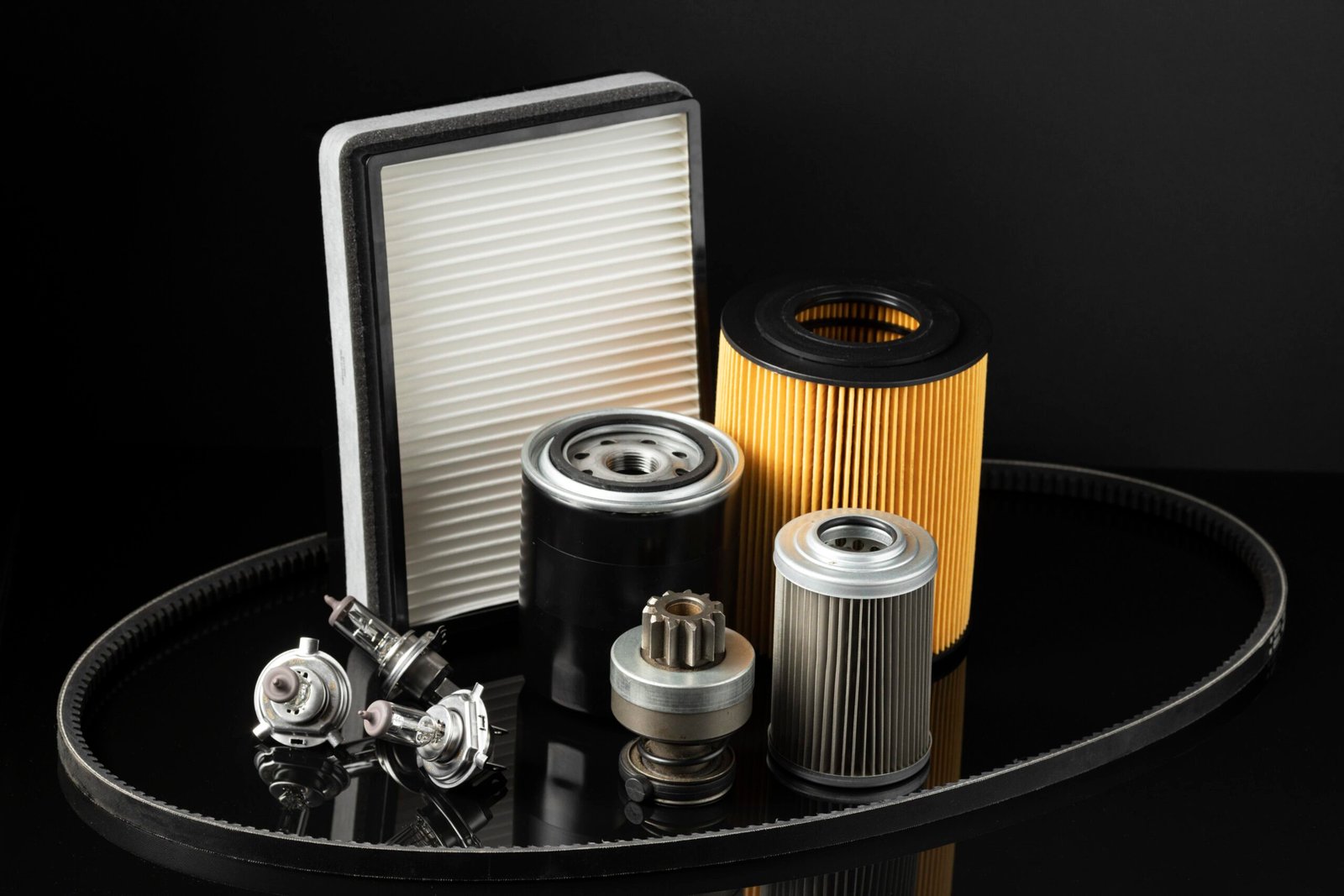
Filters (oil, air, fuel & cabin)
f the engine parts are the "muscles" and the suspension is the "skeleton," then filters are the immune system. They are designed to catch contaminants before they can cause friction, clogs, or premature wear.

Rubber parts & seals
f the metal parts of your car are the "bones," then the rubber parts and seals are the cartilage and veins. Without them, fluids would leak, vibrations would be unbearable, and the engine would literally shake itself apart.

Clutch kits & transmission parts
If the engine is the power plant, the transmission is the translator. It takes the high-speed spinning of the engine and converts it into the torque needed to move a 3,000-lb machine.

Electrical & ignition components
If the engine is the hardware, the electrical and ignition systems are the software and power grid. This system is responsible for two things: creating the "spark" that starts the fire and providing the constant flow of electricity to keep the car's computers and lights running.