
Best Seller
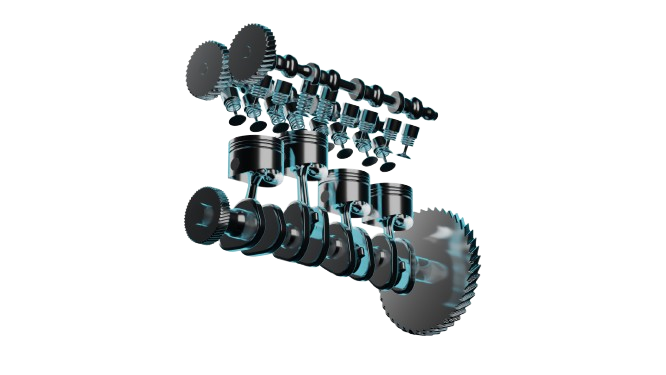
While the pistons are the “muscles” of the engine, the crankshaft and camshaft are the “skeleton” and the “brain.” They work in a precise, mechanical dance—connected by a timing belt or chain—to ensure the engine breathes and moves in perfect sync. Main Journals: The central pivot points that sit in the engine block. This is […]
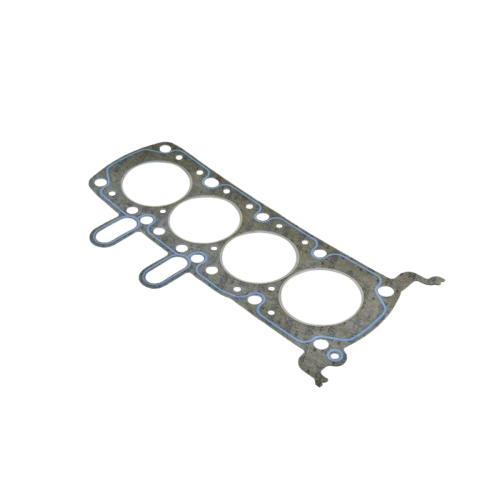
Gemini said If the pistons and rings are the “legs” of the engine, the Cylinder Head is the “lungs” and the Gasket is the “seal” that keeps the whole system from losing its breath. Combustion Chambers: The small “caves” where the fuel and air mix and explode. Their shape determines how efficiently the engine burns […]
The Oil Pump is the “heart” of the engine’s circulatory system. Its job is to pull oil from the pan and force it under pressure through the engine’s bearings, valvetrain, and pistons. Without this pressure, metal-on-metal contact would destroy an engine in a matter of seconds. High-Volume Pumps: These have larger gears or rotors to […]
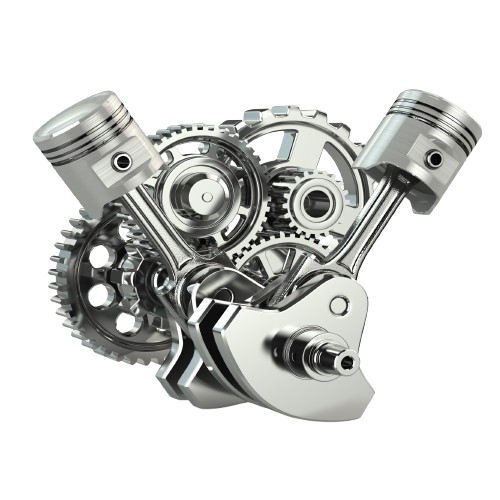
It sounds like you’re diving into the heart of an internal combustion engine! Whether you’re rebuilding a classic, diagnosing a smoky exhaust, or just curious about how things move under the hood, here is the breakdown of how these two components work together. Piston Ovality: When cold, a piston is actually slightly oval-shaped. Because there […]
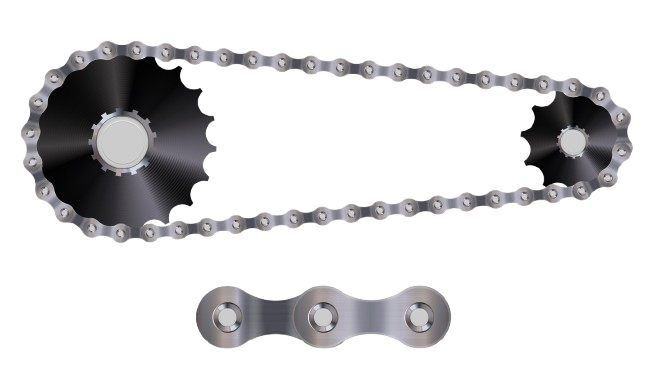
The Timing Belt or Timing Chain is the “mechanical conductor” of the engine. Its sole responsibility is to keep the Crankshaft (pistons) and Camshaft (valves) perfectly synchronized. If this synchronization fails by even a few degrees, the engine will run poorly; if it fails completely, the results can be catastrophic. Building on the basic differences […]
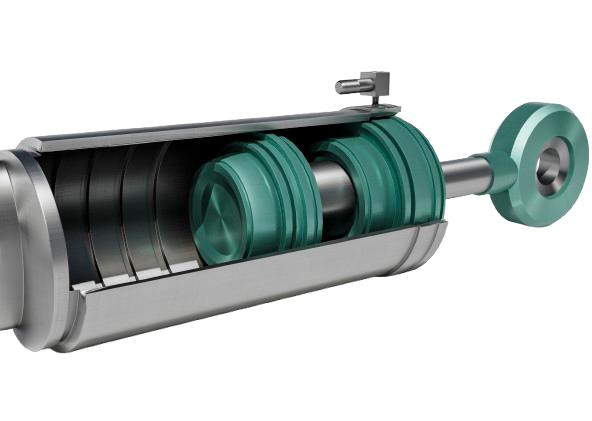
If the camshaft is the “brain,” the valves and rocker arms are the “hands” that physically open and close the engine’s airways. This system must operate with microscopic precision while being hammered thousands of times per minute. Head & Face: The flat, circular part that seals against the “valve seat” in the cylinder head. Stem: […]