
Best Seller

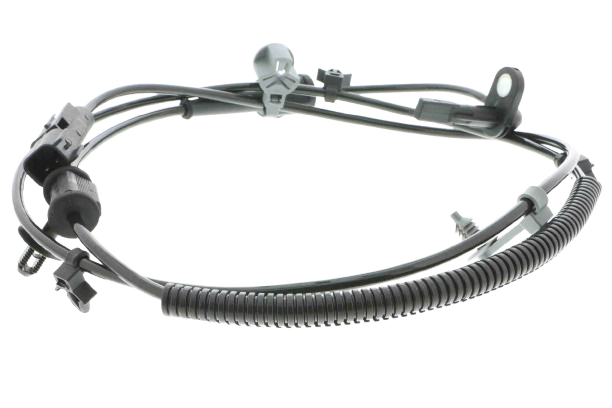
ABS Sensors are electronic components that monitor the rotational speed of each wheel. They continuously send real-time data to the ABS control module, enabling the system to detect wheel lock-up during sudden or hard braking. By ensuring accurate speed monitoring, ABS sensors help maintain traction, steering control, and braking stability, especially on slippery or uneven […]
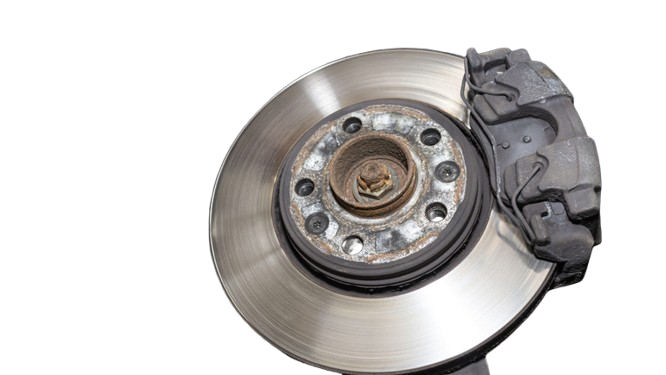
Brake Calipers are the clamping components of the disc braking system. They house the brake pads and apply hydraulic force to press the pads against the rotor, creating the friction required to slow or stop the vehicle. They play a critical role in delivering controlled braking pressure, stability, and consistent stopping performance. Key Features: * […]
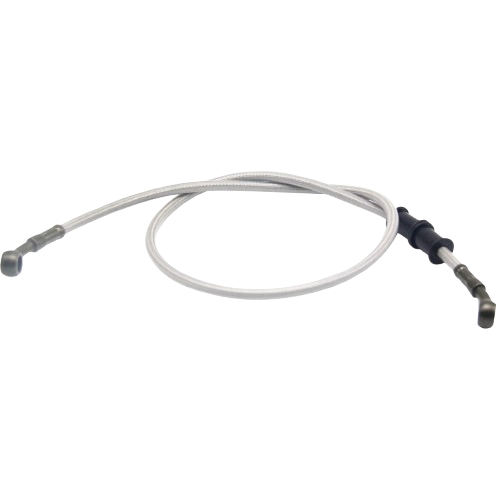
Brake Hoses are flexible hydraulic lines that transfer brake fluid pressure from the rigid brake lines to the calipers or wheel cylinders. They accommodate suspension and steering movement while maintaining consistent hydraulic flow. Their flexibility ensures uninterrupted braking performance even as the wheels move up, down, and turn during driving. Key Features: * Reinforced Rubber […]
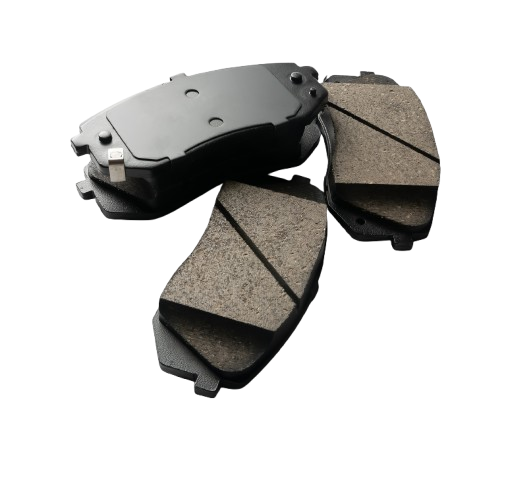
Brake Pads and Brake Shoes are friction components within the braking system that create the resistance needed to slow down or stop the vehicle. When the brake pedal is pressed, these components press against the rotating disc (rotor) or drum, converting motion into heat through controlled friction. Their performance directly impacts stopping distance, braking smoothness, […]
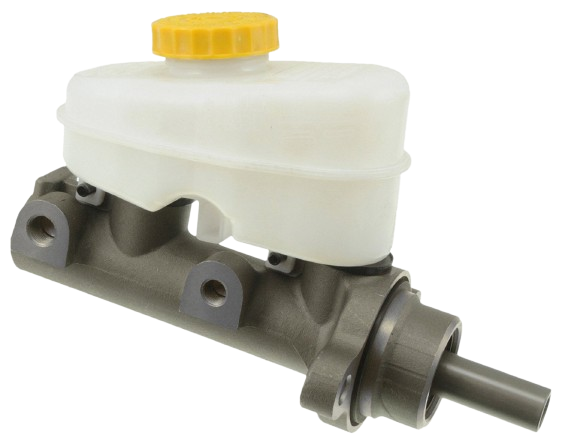
The Master Cylinder is the central hydraulic component of the braking system. It converts the mechanical force applied to the brake pedal into hydraulic pressure, which is then distributed to the brake calipers or wheel cylinders. It acts as the control hub of the braking system, ensuring consistent pressure delivery for balanced and responsive stopping […]
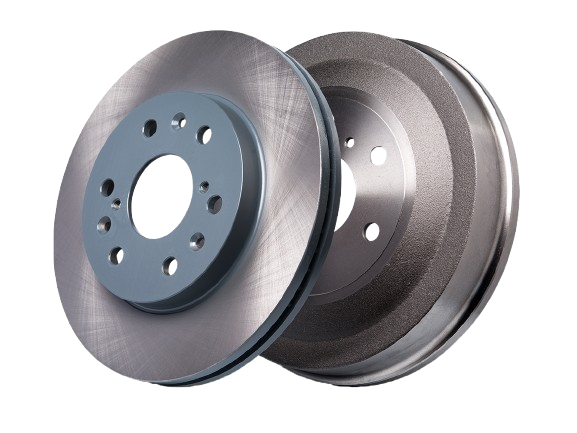
Rotors and Drums are the primary rotating components of the braking system. They work in conjunction with brake pads and shoes to create the friction necessary to slow or stop the vehicle. When braking force is applied, pads clamp onto the rotor or shoes press outward against the drum, converting kinetic energy into heat. Their […]