
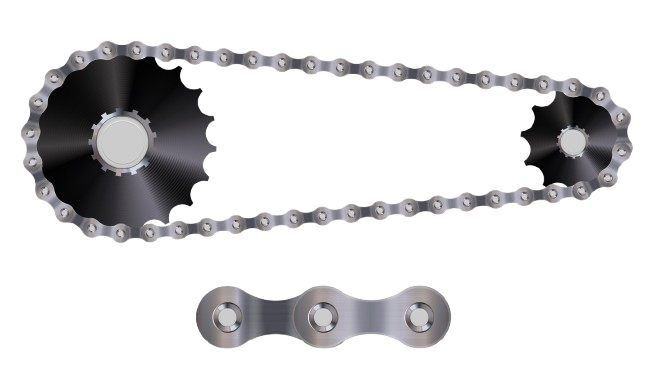
Timing Belt/Chain
In Stock
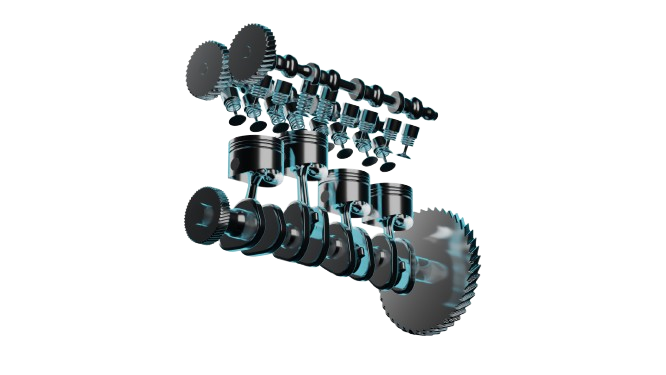
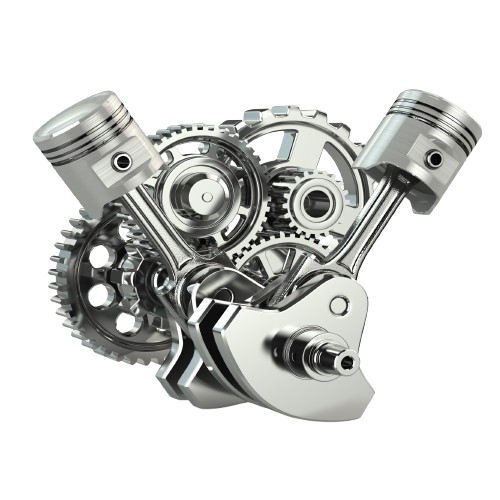
The Timing Belt or Timing Chain is the “mechanical conductor” of the engine. Its sole responsibility is to keep the Crankshaft (pistons) and Camshaft (valves) perfectly synchronized. If this synchronization fails by even a few degrees, the engine will run poorly; if it fails completely, the results can be catastrophic. Building on the basic differences […]
Categories:
Engine partsThe Timing Belt or Timing Chain is the “mechanical conductor” of the engine. Its sole responsibility is to keep the Crankshaft (pistons) and Camshaft (valves) perfectly synchronized.
If this synchronization fails by even a few degrees, the engine will run poorly; if it fails completely, the results can be catastrophic.
Building on the basic differences between belts and chains, let’s look at the specific technical features that allow these systems to maintain a “perfect heartbeat” for thousands of miles.
-
HNBR (Hydrogenated Nitrile Butadiene Rubber): This is the industry-standard material. It provides excellent resistance to oil, heat, and ozone, which would otherwise cause standard rubber to rot.
-
Kevlar or Fiberglass Tensile Cords: Inside the rubber are “backbone” cords made of Kevlar or fiberglass. These prevent the belt from stretching over its lifetime, ensuring the timing remains accurate.
-
Curvilinear Tooth Profile: Older belts used square teeth, which were noisy and prone to shearing. Modern belts use a rounded “curvilinear” shape that distributes the load more evenly and runs much quieter.
-
Teflon (PTFE) Coating: High-end belts feature a Teflon coating on the tooth side to reduce friction and noise as the belt engages with the pulleys.
There are no reviews yet.