
Best Seller
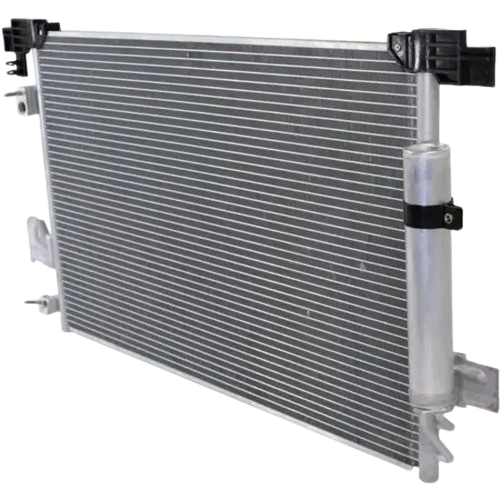
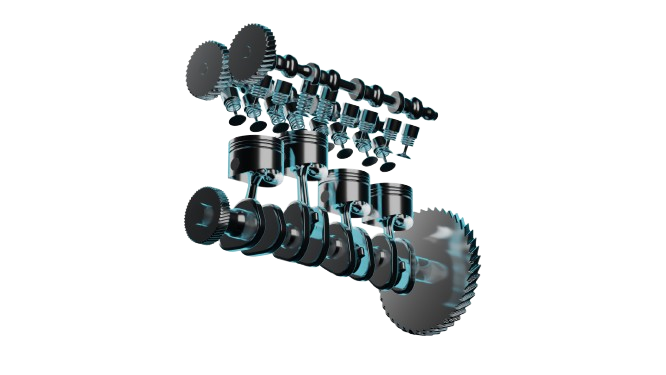
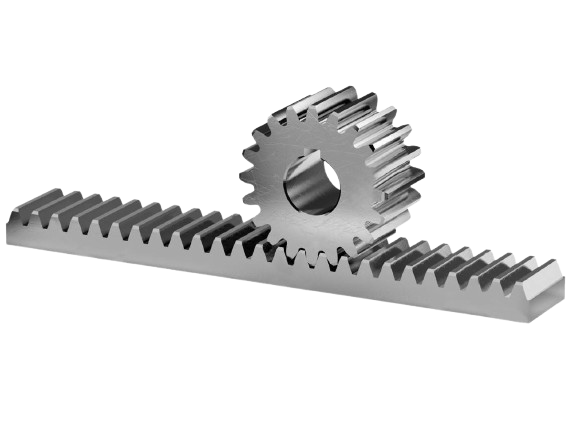
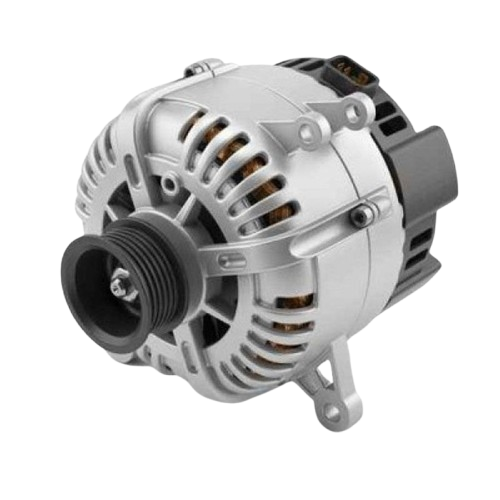
The Alternator is the vehicle’s primary power-generating unit. Once the engine is running, it converts mechanical energy into electrical energy to supply power to all electrical components and recharge the battery. It ensures continuous electrical support for systems such as lighting, infotainment, ignition, and onboard electronics while maintaining battery stability. Key Features: * Electromagnetic Rotor […]
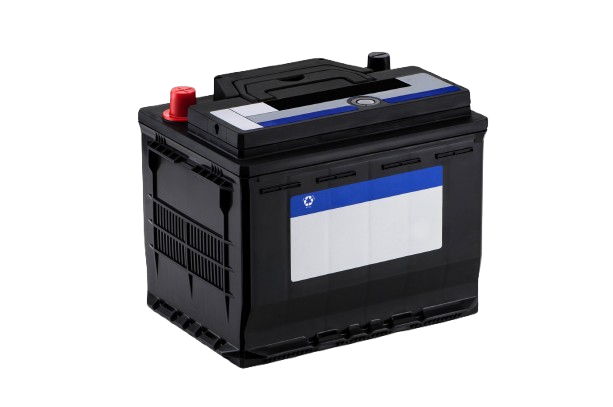
The Battery is the primary energy storage unit of the vehicle. It supplies electrical power to start the engine and supports essential systems such as lighting, ignition, and onboard electronics when the engine is not running. It also stabilizes voltage levels within the electrical system, ensuring consistent and reliable performance. Key Features: * High Cold […]
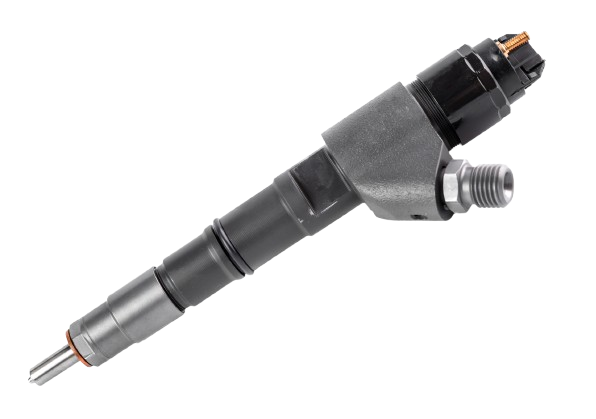
Fuel Injectors are precision components responsible for delivering the exact amount of fuel into the engine’s combustion chamber. They atomize fuel into a fine mist, ensuring efficient mixing with air for optimal combustion. Accurate fuel injection improves engine performance, fuel efficiency, and emission control. \ Key Features: * Precision Spray Pattern: Engineered to atomize fuel […]

Oxygen Sensors monitor the level of oxygen present in the exhaust gases. They provide real-time feedback to the engine control module (ECM), enabling precise adjustment of the air-fuel mixture for efficient combustion. By maintaining the optimal fuel ratio, oxygen sensors enhance engine performance, improve fuel efficiency, and reduce harmful emissions. Key Features: * Real-Time Air-Fuel […]
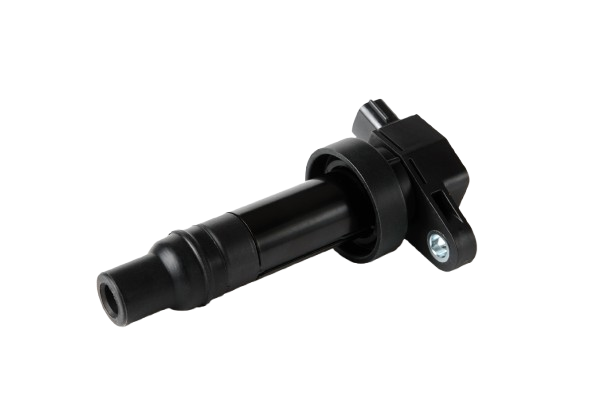
Spark Plugs and Ignition Coils work together to initiate the combustion process inside the engine. The ignition coil converts low battery voltage into high voltage, while the spark plug delivers that voltage as a controlled spark inside the combustion chamber. This coordinated function ensures efficient fuel ignition, smooth engine operation, and optimal power output Key […]
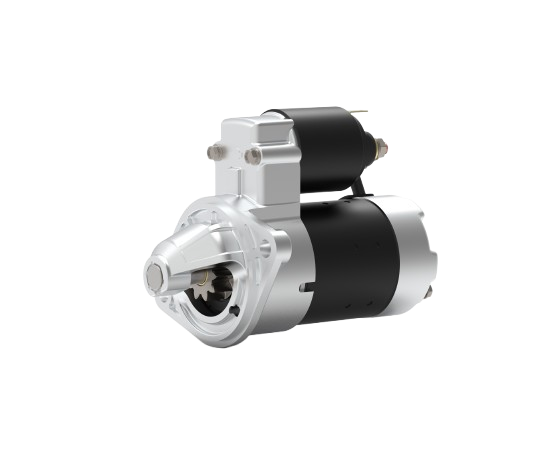
The Starter Motor is the component responsible for initiating engine operation. When the ignition key is turned or the start button is pressed, it engages with the engine’s flywheel to crank the engine and begin the combustion process. Without the starter motor, the engine cannot generate the initial rotation required to start. Key Features: * […]
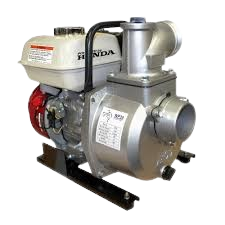
The Water Pump is a critical component of the engine cooling system. It circulates coolant continuously between the engine block and the radiator, preventing overheating and maintaining stable operating temperature. Without proper coolant circulation, engine components can overheat, leading to reduced performance and potential damage. Key Features: * Centrifugal Impeller Mechanism: Uses a rotating impeller […]